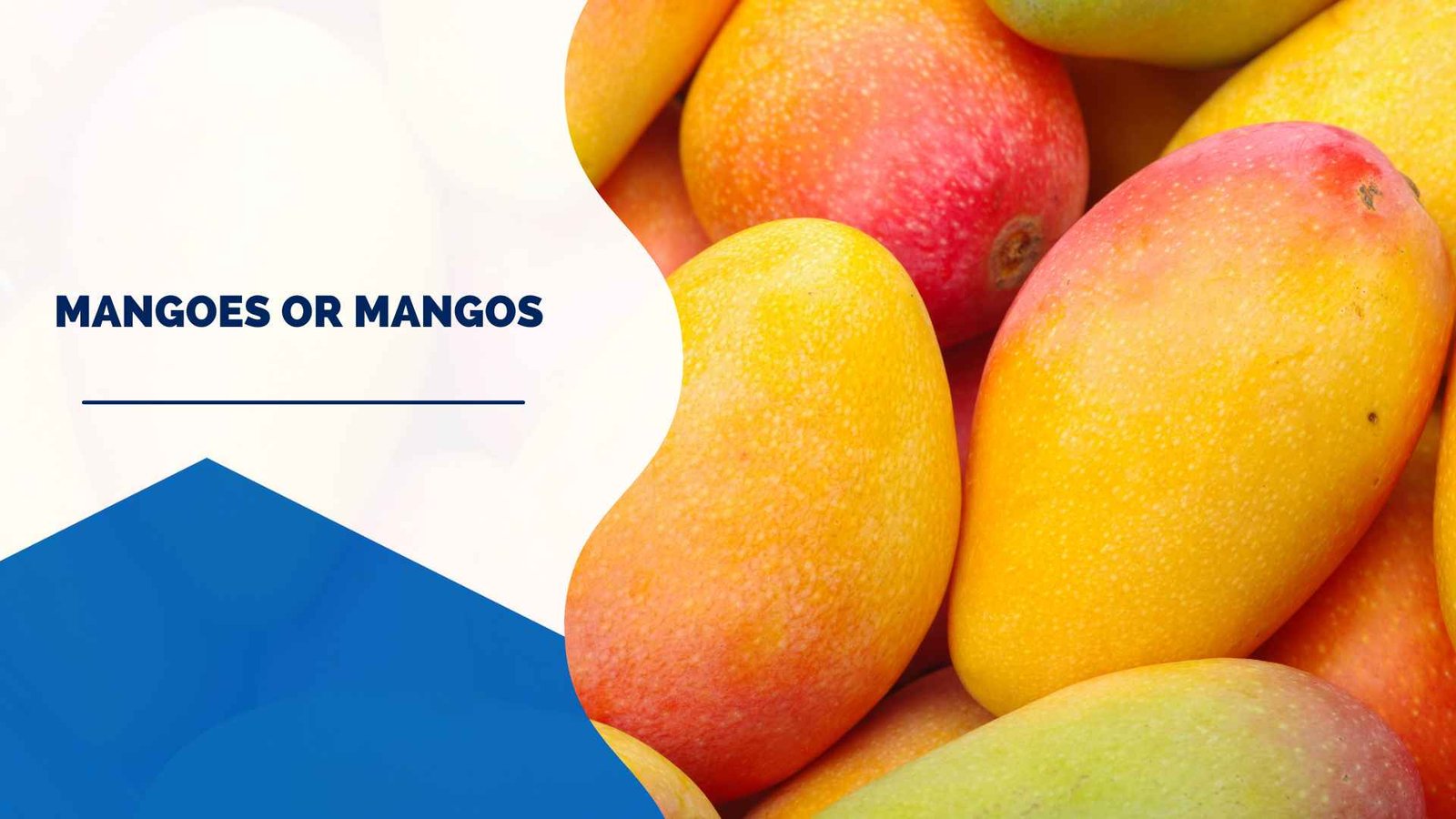
Mangoes are often called the “king of fruits” because of their rich flavor, tropical aroma, and worldwide popularity. But many people wonder about a simple question: should it be written as mangoes or mangos? Both spellings are correct, although their usage depends on regional English preferences.
Beyond spelling, mangoes have a fascinating story. They have been grown for thousands of years, influenced cultures, supported farming communities, and become one of the most loved fruits across the globe. From fresh slices and juices to desserts and traditional dishes, mangoes hold a special place in many cuisines.
This complete guide explores the difference between mangoes and mangos, their history, interesting facts, cultural importance, famous varieties, health benefits, and why this tropical fruit continues to capture hearts worldwide.
Quick Facts About Mangoes or Mangos
| Category | Details |
| Common Names | Mango, Mangoes, Mangos |
| Scientific Name | Mangifera indica |
| Fruit Family | Anacardiaceae |
| Origin | South Asia, especially India and surrounding regions |
| First Cultivated | More than 4,000 years ago |
| Main Growing Regions | India, Pakistan, Mexico, Thailand, Indonesia, Brazil, and Africa |
| Fruit Type | Tropical stone fruit |
| Season | Usually spring and summer depending on region |
| Popular Uses | Fresh fruit, juice, smoothies, desserts, pickles, sauces |
| Global Importance | One of the most widely consumed tropical fruits |
Mangoes or Mangos: Which Spelling Is Correct?
The words mangoes and mangos refer to the same fruit, and both spellings are accepted in English.
“Mangoes” is more common in British English and many international English-speaking regions. “Mangos” is also widely used, especially in American English. The difference is only grammatical, not botanical.
For example:
- I bought fresh mangoes from the market.
- The farm produces thousands of mangos every year.
Both sentences are correct.
The plural form became a topic of discussion because many English words ending in “o” can take either “-es” or “-s” when pluralized. Mango follows both patterns.
Origin and Background of Mangoes
Mangoes originated in South Asia, particularly in areas that are now India, Bangladesh, and Myanmar. The tropical climate of this region provided ideal conditions for mango trees to grow naturally.
The mango tree, scientifically known as Mangifera indica, belongs to the same plant family as cashews and pistachios. It is a long-living evergreen tree that can produce fruit for many decades.
Ancient civilizations valued mangoes not only as food but also as symbols of prosperity, love, and good fortune. Over centuries, travelers, traders, and explorers helped spread mango cultivation from South Asia to other tropical regions.
Today, mangoes are grown in more than 100 countries and enjoyed by millions of people worldwide.
History and Development of Mangoes
The history of mangoes goes back thousands of years. Archaeological evidence suggests that mango cultivation began in India more than 4,000 years ago.
Ancient Indian texts mention mangoes as a valuable fruit connected with royalty and religious traditions. Kings and wealthy families often maintained mango gardens, known as “mango orchards,” because the fruit represented abundance.
During the spread of trade routes, mangoes traveled beyond South Asia. Persian traders helped introduce mangoes to the Middle East, while Portuguese explorers later carried mango varieties to Africa and Europe.
The development of modern mango farming increased during the colonial period when different regions began creating specialized mango varieties. Today, farmers grow hundreds of mango types with different colors, flavors, textures, and sizes.
Modern agricultural techniques have improved mango production through better farming methods, disease control, and international trade. As a result, mangoes have become a major tropical fruit in global markets.
20 Interesting Facts About Mangoes or Mangos
1. Mangoes Are Thousands of Years Old
Mangoes have been cultivated for over 4,000 years, making them one of the oldest known cultivated fruits. Ancient communities carefully selected the best mango trees and developed improved varieties over generations.
2. India Produces More Mangoes Than Any Other Country
India is the world’s largest mango producer. Millions of farmers grow mangoes there, and the fruit plays an important role in agriculture, culture, and local economies.
3. There Are Hundreds of Mango Varieties
More than a thousand mango varieties exist worldwide. Each variety has its own flavor, size, color, sweetness, and texture, making mango diversity much greater than many people realize.
4. Mango Trees Can Live for Hundreds of Years
Mango trees are extremely long-lived plants. Some historic mango trees have survived for centuries and continue producing fruit under suitable conditions.
5. Mangoes Have Cultural Importance in South Asia
In many South Asian cultures, mangoes represent happiness, friendship, and celebration. Mango leaves are also used in traditional decorations during festivals and important events.
6. Mango Is Known as the King of Fruits
The nickname “king of fruits” comes from the mango’s popularity, sweet taste, pleasant aroma, and cultural importance across tropical regions.
7. Mangoes Are Related to Cashews
Because mangoes belong to the Anacardiaceae family, they are botanically related to cashews and pistachios. This connection explains some similarities between these plants.
8. Mangoes Change Color as They Ripen
Many mango varieties turn from green to yellow, orange, or red as they mature. However, color alone does not always indicate ripeness because some ripe mangoes remain green.
9. Mangoes Are Used in Both Sweet and Savory Foods
Mangoes are not limited to desserts. They are used in chutneys, salads, sauces, pickles, and spicy dishes in many countries.
10. Mango Seeds Have Traditional Uses
Although the seed is not commonly eaten like the fruit, some cultures use mango seeds in traditional preparations and natural remedies.
11. Mango Production Supports Millions of Farmers
Mango farming provides income for agricultural communities around the world. The fruit industry creates jobs in farming, transportation, packaging, and export.
12. Mangoes Were Once Considered a Luxury Fruit
Historically, mangoes were associated with kings and wealthy families because they were difficult to transport and grow outside tropical regions.
13. The Mango Tree Is India’s National Tree Fruit Symbol
India recognizes the mango as its national fruit because of its historical connection, cultural value, and popularity.
14. Mangoes Are Popular Worldwide
Countries across Asia, Africa, Europe, and the Americas enjoy mangoes. Global trade has made fresh mangoes available far beyond their original growing regions.
15. Mango Flavor Is Used in Many Products
Mango flavor appears in drinks, candies, ice creams, yogurt, desserts, and snacks because of its unique tropical taste.
16. Mangoes Have Nutritional Value
Mangoes contain vitamins, minerals, fiber, and plant compounds that contribute to a balanced diet when eaten as part of healthy eating habits.
17. Mango Festivals Are Celebrated Around the World
Many countries organize mango festivals to celebrate different varieties, farming traditions, and cultural connections with the fruit.
18. Mangoes Require Warm Weather
Mango trees grow best in tropical and subtropical climates. They need warmth, sunlight, and protection from extreme cold.
19. Mangoes Have Inspired Art and Literature
For centuries, mangoes have appeared in paintings, poems, stories, and cultural expressions because of their beauty and symbolism.
20. The Word “Mango” Has a Long Journey
The word mango traveled through different languages and cultures before becoming part of English vocabulary. Its history reflects the fruit’s global journey.
Culture and Traditions Surrounding Mangoes
Mangoes are deeply connected with traditions in many countries, especially in South Asia. They are more than just a fruit; they represent seasonal happiness and family gatherings.
In India and Pakistan, mango season is often considered a special time of year. Families share mangoes with relatives and friends, and many people eagerly wait for their favorite varieties to arrive in markets.
Mangoes are also important during festivals and celebrations. Mango leaves are traditionally used for decoration because they are believed to represent prosperity and good fortune.
In many tropical countries, eating fresh mangoes during summer is a cherished tradition. People enjoy them at picnics, family meals, and social gatherings.
Famous Mango Varieties Around the World
Different regions have developed their own famous mango varieties, each with unique qualities.
Alphonso Mango
Alphonso is one of the most famous mango varieties from India. It is known for its rich sweetness, smooth texture, and strong aroma. It is often considered a premium mango variety.
Chaunsa Mango
Chaunsa mango is popular in Pakistan and India. It has a sweet taste, juicy texture, and pleasant fragrance, making it a favorite during mango season.
Kent Mango
Kent mangoes are widely grown in countries like Mexico and Peru. They are known for their juicy flesh and low fiber content.
Tommy Atkins Mango
This variety is commonly exported because it has a strong shelf life and can handle transportation well. It is popular in international markets.
Keitt Mango
Keitt mangoes are large fruits with a sweet and slightly tangy flavor. They are often harvested later in the mango season.
Food Uses and Popular Mango Products
Mangoes are enjoyed in countless ways around the world.
Fresh mango slices are the simplest and most popular way to enjoy the fruit. Many people also use mangoes to prepare:
- Mango juice
- Mango smoothies
- Mango ice cream
- Mango desserts
- Mango chutney
- Mango salsa
- Mango pickles
- Dried mango snacks
In South Asian cuisine, raw mangoes are often used for pickles and spicy dishes, while ripe mangoes are used for sweet recipes.
Mango-based foods have also become popular internationally because people enjoy their tropical flavor and versatility.
Famous Mango-Growing Regions
Mangoes grow best in warm climates, and several regions are famous for production.
India
India has the largest mango industry in the world, with numerous traditional varieties grown across different states.
Pakistan
Pakistan is famous for varieties such as Chaunsa and Sindhri. Mango farming is an important part of the country’s agricultural economy.
Mexico
Mexico is one of the largest mango exporters. Its mangoes are widely available in international markets.
Thailand
Thailand produces popular mango varieties and is known for dishes that combine mango with rice and coconut.
Economic Importance and Modern Impact of Mangoes
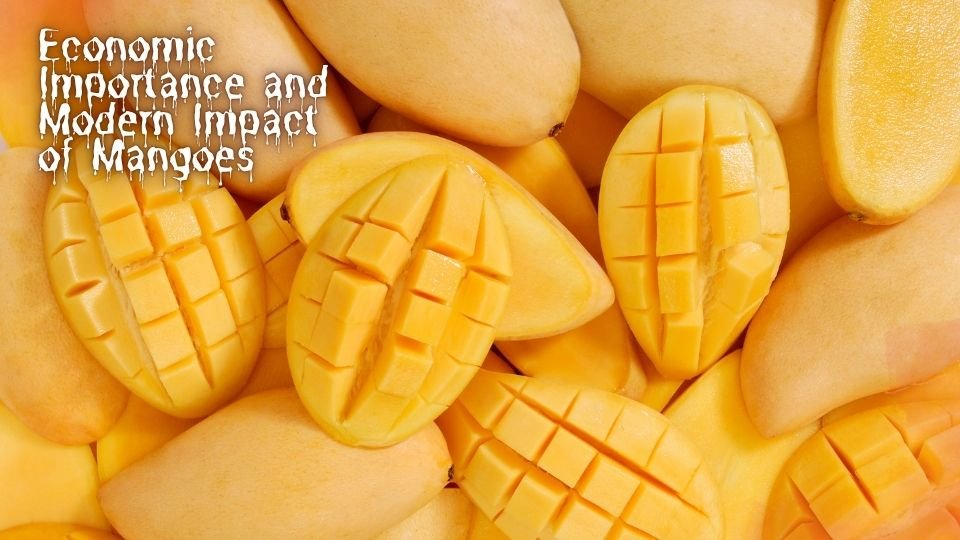
Mangoes contribute significantly to agriculture and international trade. Farmers, exporters, food companies, and retailers all benefit from the global demand for mango products.
The mango industry supports rural communities by creating employment opportunities. Improved farming technology has helped increase production and improve fruit quality.
Today, mangoes are not only a seasonal fruit but also a major commercial product. They are sold fresh, processed into beverages, and used in food manufacturing around the world.
Climate change has become an important concern for mango farming because changing temperatures, rainfall patterns, and extreme weather can affect crop production.
Frequently Asked Questions About Mangoes or Mangos
Are mangoes and mangos the same fruit?
Yes, mangoes and mangos are the same fruit. The difference is only in spelling, with both forms accepted in English.
Which spelling is correct: mangoes or mangos?
Both spellings are correct. “Mangoes” is more common internationally, while “mangos” is also widely accepted, especially in American English.
Where did mangoes originally come from?
Mangoes originated in South Asia, especially regions around India and neighboring countries, where they have been cultivated for thousands of years.
Why are mangoes called the king of fruits?
Mangoes are called the king of fruits because of their delicious taste, cultural importance, popularity, and wide variety.
What are the most popular mango varieties?
Popular varieties include Alphonso, Chaunsa, Kent, Tommy Atkins, Sindhri, and Keitt mangoes.
Are mangoes healthy?
Yes, mangoes contain nutrients such as vitamins, fiber, and minerals. They can be part of a balanced diet when consumed appropriately.
Can mangoes grow anywhere?
Mango trees grow best in tropical and subtropical climates with warm temperatures and plenty of sunlight.
Conclusion
Mangoes or mangos are much more than a delicious tropical fruit. They represent thousands of years of history, cultural traditions, farming knowledge, and global connections.
From ancient royal gardens to modern supermarkets, mangoes have traveled across continents while maintaining their special place in people’s lives. Their incredible variety, unique flavor, and cultural importance make them one of the world’s most beloved fruits.
Whether you call them mangoes or mangos, this fruit continues to bring sweetness, tradition, and joy to millions of people around the globe.

Hello! I’m Noah Bennett, and I’m passionate about writing inspirational quotes that motivate people to chase their dreams and overcome life’s challenges. I believe wisdom doesn’t have to be complicated—it can be shared in a single meaningful sentence.
I write about success, determination, leadership, courage, and everyday life. My goal is to help readers discover motivation and confidence through words they can relate to.
Books I Have Written:
- Rise Above Every Challenge
- Words That Inspire Success
 Sophia Carter