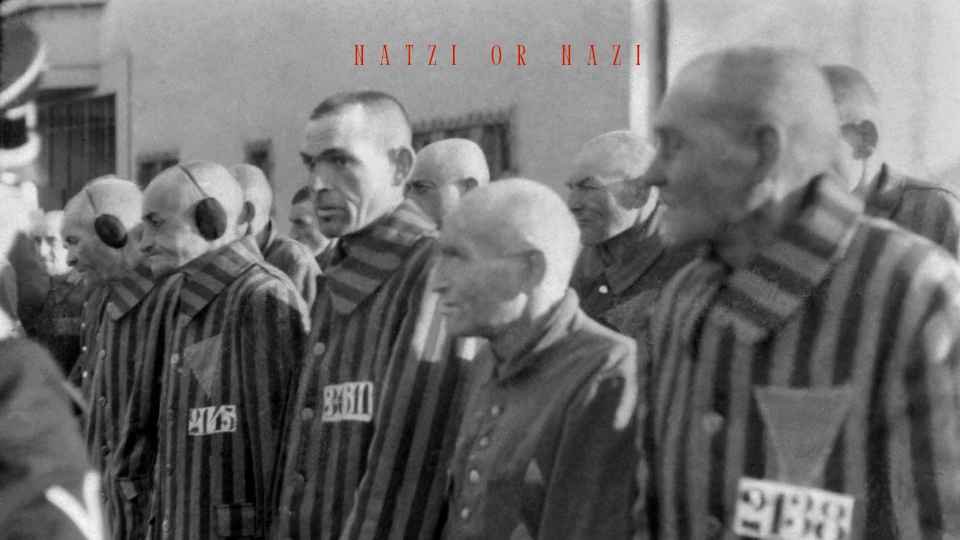
If you’ve searched for natzi or nazi, you may have noticed that both spellings appear online. In reality, “Natzi” is usually a misspelling of “Nazi.” Understanding the difference matters because the term refers to a real historical movement responsible for some of the worst crimes in human history.
I believe it’s important to learn the facts before using or sharing any related symbols or imagery. Whether you’re researching history, creating educational content, or trying to understand symbols you’ve seen in media, this guide will help you separate myths from facts. You’ll also learn why many Nazi-related symbols are offensive, restricted, or illegal in some countries.
Quick Answer: What Does Natzi or Nazi Mean?
“Natzi” is generally a misspelling of “Nazi.” The word Nazi refers to members of the National Socialist German Workers’ Party (NSDAP), led by Adolf Hitler in Germany from 1933 to 1945. Today, Nazi symbols are widely recognized as symbols of hate, antisemitism, racism, dictatorship, and World War II atrocities. They are not symbols of peace, family, spirituality, or positive personal values.
What Are Natzi or Nazi?
The word Nazi comes from the German name Nationalsozialistische Deutsche Arbeiterpartei (NSDAP), meaning the National Socialist German Workers’ Party.
Although the spelling Natzi appears in search engines and social media, it is not the correct historical term. Most people searching for “natzi or nazi” are looking for information about Nazi history, symbols, or the difference between the two spellings.
The meaning of Nazi-related symbols depends on historical context, but in modern society they are overwhelmingly associated with:
- Adolf Hitler’s regime
- World War II
- The Holocaust
- Fascism and dictatorship
- Racism and antisemitism
- Hate groups and extremist ideology
Because of this history, many countries restrict or prohibit the public display of certain Nazi symbols.
Natzi or Nazi Comparison Table
| Symbol | Main Meaning | Best Use |
| Swastika (Nazi version) | Nazi Party emblem | Historical education only |
| SS Bolts | Schutzstaffel organization | Museum and history references |
| Iron Cross | German military decoration (older than Nazism) | Historical context only |
| Reich Eagle | German state emblem during Nazi era | Educational materials |
| Totenkopf | Military insignia used by SS units | Historical discussion |
| Nazi Party Flag | Political party symbol | Museum displays |
| Black Sun (Sonnenrad) | Used by some extremist groups | Historical analysis only |
| Hitler Youth Emblem | Youth organization symbol | Educational reference |
| Reichsadler | State eagle under Nazi Germany | Historical study |
| NSDAP Badge | Political party membership | Museum collections |
Swastika (Nazi Version): The Main Nazi Symbol
The tilted black swastika inside a white circle on a red background became the official symbol of the Nazi Party. Today, it is one of the world’s most recognized hate symbols because of its connection to genocide, dictatorship, and World War II.
It is important to understand that the Nazi swastika is different from the ancient swastika used for thousands of years in Hinduism, Buddhism, and Jainism, where it symbolizes good fortune and well-being.
Best for: History education, museums, documentaries.
SS Bolts: Symbol of the SS
The double lightning-bolt insignia identified the Schutzstaffel (SS), one of Nazi Germany’s most feared organizations.
The symbol has become associated with war crimes and persecution. It is considered an extremist symbol in many countries and should never be used as decorative artwork or branding.
Best for: Historical research, museum exhibits, educational books.
Iron Cross: A Symbol With a Longer History
The Iron Cross existed long before the Nazi era. It was originally a Prussian military decoration dating back to the early 1800s.
Although the Nazis used versions of the Iron Cross, the symbol itself is not inherently a Nazi creation. Context matters when identifying its meaning.
Best for: Military history discussions.
Reich Eagle
The Reich Eagle appeared on official government buildings, uniforms, and documents during Nazi Germany.
Its appearance varies, but when combined with Nazi emblems, it clearly belongs to the historical regime rather than modern Germany.
Best for: Historical education.
Totenkopf
The Totenkopf, meaning “death’s head,” was used by several military groups throughout European history but became infamous through its use by SS units.
Today, its meaning depends heavily on context, though it often carries extremist associations because of its Nazi use.
Best for: Museum collections and historical analysis.
Nazi Party Flag
The official Nazi Party flag combined the red background, white circle, and black swastika.
It became one of history’s most recognizable political flags because of its connection to dictatorship, war, and genocide.
Best for: Educational exhibits only.
Black Sun (Sonnenrad)
The Black Sun is a circular design associated with Nazi occult interests and has since been adopted by some modern extremist groups.
Its historical origins remain debated, but many organizations treat it as a hate symbol when used in extremist contexts.
Best for: Academic discussion of extremist symbolism.
Hitler Youth Emblem
This badge identified members of the Hitler Youth organization, which indoctrinated German children under the Nazi regime.
Today it serves as an educational reminder of how propaganda targeted young people.
Best for: History education.
Reichsadler
The Reichsadler, or Imperial Eagle, appeared in several forms throughout German history.
When shown gripping a swastika, it specifically represents Nazi Germany rather than Germany as a whole.
Best for: Historical reference.
NSDAP Membership Badge
Party members wore this badge to show affiliation with the Nazi Party.
Collectors and museums preserve these items for historical documentation rather than celebration.
Best for: Museum collections and historical archives.
Best Natzi or Nazi Symbols for Tattoos
There are no recommended Nazi symbols for tattoos. Because these symbols are strongly linked to hatred, discrimination, violence, and genocide, they are likely to offend others and may even violate laws in certain countries.
If your goal is to express courage, resilience, patriotism, or history, consider choosing symbols that carry positive and inclusive meanings instead.
Best Natzi or Nazi Symbols for Logos and Design
Nazi-related imagery should not be used for logos, branding, posters, clothing, businesses, or social media designs.
If you’re designing educational material about World War II, these symbols should appear only to provide historical context and should never be presented as decorative or inspirational elements.
Historical and Educational Meaning
Many people study Nazi symbols to better understand:
- World War II history
- The Holocaust
- Human rights
- The dangers of propaganda
- The importance of democracy
- Why hate symbols remain controversial today
Learning their history helps prevent misinformation and encourages responsible discussion.
Before Using Cultural or Historical Symbols
Some historical symbols existed long before the Nazi era.
For example, the ancient swastika remains a sacred religious symbol in several Asian faiths, while the Nazi version has a completely different meaning due to its use during World War II.
Always research a symbol’s cultural and historical background before using it in artwork, tattoos, products, or commercial designs.
How to Choose the Right Historical Symbol

If you’re creating educational content:
- Focus on historical accuracy.
- Explain the historical context clearly.
- Avoid presenting hate symbols as decorative designs.
- Respect cultural differences.
- Use reliable historical sources.
When discussing difficult history, thoughtful context matters more than visual impact.
FAQs About Natzi or Nazi
Is “Natzi” the correct spelling?
No. Nazi is the correct historical spelling. “Natzi” is usually a typing or spelling mistake that appears in online searches.
What is the main Nazi symbol?
The swastika used by the Nazi Party is the best-known symbol associated with Nazi Germany.
Is the Nazi swastika the same as the religious swastika?
No. The Nazi version is a political symbol connected to Hitler’s regime, while the traditional swastika has been used for thousands of years in Hinduism, Buddhism, and Jainism as a sacred symbol with positive meanings.
Are Nazi symbols illegal?
Some countries restrict or ban the public display of Nazi symbols, while others allow them in educational, artistic, or historical contexts.
Can Nazi symbols be used in logos?
No. They are widely recognized as hate symbols and are inappropriate for commercial branding or design.
Why do museums display Nazi symbols?
Museums use them to teach history, explain World War II, and help visitors understand the consequences of dictatorship, racism, and genocide.
What is the Black Sun symbol?
The Black Sun is a circular design associated with Nazi-era ideology and later adopted by some extremist groups. It is generally discussed only in historical or academic contexts.
Final Thoughts
When searching for natzi or nazi, remember that “Natzi” is simply a common misspelling of “Nazi.” Understanding the history behind Nazi symbols helps us recognize why they remain controversial today.
Learning about these symbols in their proper historical context promotes awareness, respectful discussion, and a better understanding of one of history’s darkest periods.

Hi, I’m Sophia Carter. I love writing heartfelt quotes that encourage kindness, confidence, and self-belief. I believe every person has a unique story, and the right quote can remind someone of their strength when they need it most.
I enjoy exploring topics like love, friendship, family, mindfulness, and personal development. My mission is to create words that inspire people to smile, reflect, and move forward with hope.
Books I Have Written:
- Finding Light in Every Moment
- A Journey of Hope and Happiness
 Noah Bennett